Ceramic Window Tint: Is It Actually Worth It for Michigan Drivers?
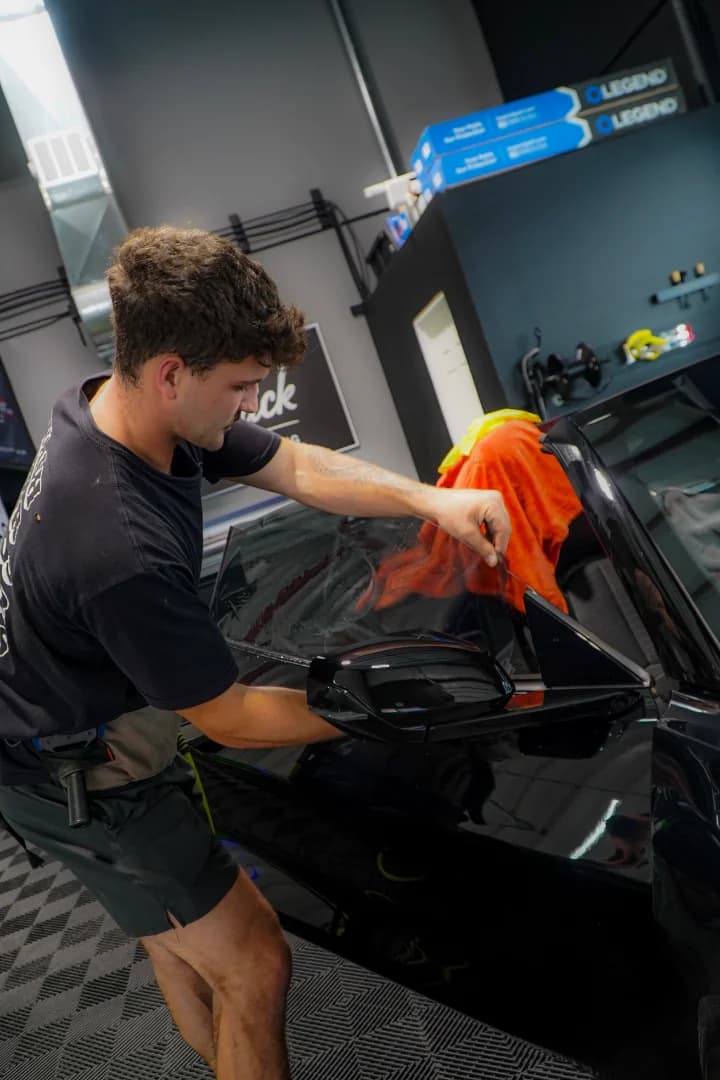
Ceramic window tint does a lot more than simply make your vehicle look better. From heat and UV rejection to privacy and everyday comfort, here’s what ceramic tint actually does, how it’s different from traditional window film, and whether it’s worth putting on your vehicle in West Michigan.
Window tint is probably one of the easiest ways to completely change the look and feel of a vehicle.
But there’s a pretty big difference between simply making your windows darker and installing a quality window film that’s actually designed to perform.
That’s where ceramic window tint comes in.
At Maverick Detailing, we work with customers throughout Byron Center, Ada, Grand Rapids, and West Michigan who come in looking for tint for completely different reasons.
Some just want the vehicle to look better.
Some want more privacy.
Others are tired of getting into a hot vehicle after it’s been sitting outside all afternoon.
And a lot of people want all three.
So, is ceramic window tint actually worth doing?
For most people who care about both appearance and performance, we think it absolutely is.
Here’s why.
What Is Ceramic Window Tint?
Ceramic tint is a premium automotive window film that uses ceramic technology within the film rather than relying solely on dyes or other traditional materials.
The biggest difference isn’t necessarily what it looks like.
It’s how it performs.
Quality ceramic window film is designed to reject a significant amount of solar energy and UV exposure while still providing the appearance and privacy you’d expect from window tint.
That’s important because there’s a misconception we hear pretty often:
Darker tint doesn’t automatically mean better heat rejection.
You can have very dark film that doesn’t perform particularly well against heat.
On the other hand, a quality ceramic film can provide strong performance without requiring you to make every window extremely dark.
That’s one of the biggest reasons we like it.
Ceramic Tint vs. Regular Window Tint
If both films make the window darker, why pay attention to which one you’re getting?
Because there’s more to tint than shade.
Traditional dyed films are primarily focused on appearance and privacy. They can absolutely make a vehicle look better and reduce some sunlight entering the cabin.
Ceramic tint takes things further.
Depending on the specific film, ceramic technology can provide significantly better heat rejection and UV protection while maintaining excellent optical clarity.
For someone who plans to keep their vehicle for years, that’s something we’d consider.
We don’t look at tint as simply:
“How dark do you want it?”
We’d rather ask:
What do you want the tint to actually accomplish?
Does Ceramic Tint Really Keep Your Car Cooler?
This is probably the biggest reason people start researching ceramic tint.
And yes, quality ceramic window film can make a noticeable difference in how much solar energy enters through the glass.
That doesn’t mean your black vehicle is going to sit outside in July for six hours and somehow stay 65 degrees inside.
It’s still a car sitting in the sun.
What quality film can do is reduce the amount of solar energy coming through the glass, making the cabin more comfortable and reducing the load created by direct sunlight.
This becomes especially noticeable on vehicles with a lot of glass.
Teslas are a great example.
Modern SUVs, trucks, and vehicles with large windshields can benefit as well.
Why the Windshield Matters So Much
People tend to think about tinting the side windows first.
But look at how much glass is directly in front of you.
Your windshield is huge.
That’s a lot of surface area for sunlight to enter through.
Depending on what is legal and appropriate for the vehicle, a quality ceramic film on the windshield can help reduce solar energy while maintaining a much lighter appearance than people normally picture when they hear “tinted windshield.”
That’s why the windshield conversation isn’t always about making it dark.
For many customers, it’s about performance and comfort.
Of course, windshield and front-window tint must comply with applicable Michigan laws, so that’s something that should always be considered when choosing a setup.
What About UV Protection?
This is another benefit people sometimes overlook.
Quality automotive window films can block a substantial amount of ultraviolet radiation.
That’s useful for the people inside the vehicle, but it can also help reduce UV exposure to interior materials over time.
Leather, plastics, dashboards, and other interior surfaces spend years sitting in sunlight.
Window film isn’t going to make an interior invincible, but reducing that exposure is another layer of protection.
And that’s really how we look at vehicle protection as a whole.
There usually isn’t one product that does everything.
It’s about putting the right protection in the right places.
Ceramic Tint Can Completely Change the Appearance of a Vehicle
Performance is great.
But let’s be real.
A lot of us tint our cars because they look better.
There’s something about getting the shade right that makes a vehicle look finished.
A Model Y with the right tint setup looks completely different.
So does a BMW M car.
Or a Corvette.
Or a new truck.
You don’t necessarily need the darkest tint possible either.
Sometimes matching the front windows to factory privacy glass on an SUV is all the vehicle needs.
Other times a customer wants a darker, more aggressive look throughout.
We like figuring out what actually complements the vehicle rather than assuming darker is always better.
What Tint Percentage Should You Choose?
This is where personal preference comes into play.
Some people want maximum privacy.
Others don’t like driving with extremely dark windows at night.
Some customers mainly care about heat rejection and aren’t particularly interested in making the vehicle look dramatically darker.
That’s why we don’t think choosing tint should start with someone handing you a shade chart and saying, “Pick one.”
First figure out what you want.
Appearance?
Privacy?
Heat rejection?
UV protection?
A combination?
Then choose the film and shade around those priorities while keeping applicable Michigan tint laws in mind.
Ceramic Tint Makes a Lot of Sense on Teslas
We’ve talked about Tesla protection before, but tint deserves its own mention.
Tesla vehicles have a lot of glass, and that makes window-film selection especially important.
A Model 3 or Model Y already has a clean, minimal appearance, so the right tint setup can make a big difference without changing what makes the vehicle look good in the first place.
Combine that with Paint Protection Film and ceramic coating, and you can build a really complete protection package:
PPF protects the paint against physical impacts.
Ceramic coating helps protect exterior surfaces and makes maintenance easier.
Ceramic window tint helps with solar performance, UV exposure, privacy, and appearance.
Different products doing different jobs.
Is Ceramic Tint Only Worth It on Expensive Cars?
Definitely not.
Honestly, daily drivers may benefit from it more.
Think about the vehicle you actually drive every day.
It sits outside at work.
It gets driven during the hottest days of summer.
You’re constantly getting in and out of it.
Maybe there are kids in the back seat.
Maybe you commute 45 minutes every day.
That’s where comfort starts to matter.
You don’t need a Porsche or an exotic vehicle to justify quality tint.
Sometimes putting it on the vehicle you spend two hours a day inside makes the most sense.
What About Factory-Tinted Windows?
This is another area that can get confusing.
Many SUVs and trucks come from the factory with darker rear glass.
That doesn’t necessarily mean the glass has the same performance characteristics as a quality aftermarket ceramic window film.
Factory privacy glass is often designed primarily to reduce visible light and provide privacy.
If heat and UV performance are important to you, adding appropriate window film can still make sense even when the glass already appears dark.
Again, it’s the difference between how dark the glass looks and what the glass and film actually do.
Window Tint Installation Matters
Like PPF and ceramic coating, the product is only part of the equation.
Installation matters.
Cleanliness matters.
Film quality matters.
Edges matter.
Preparation matters.
You can buy some of the best window film available, but a poor installation is still going to look like a poor installation.
At Maverick Detailing, we don’t want tint to feel like some quick add-on we’re trying to squeeze between other jobs.
We approach it the same way we approach the rest of our work.
Take the time to do it correctly.
Treat the vehicle like it’s our own.
Make sure the customer is happy with both the result and the experience.
That’s always been more important to us than seeing how many cars we can push through the shop.
Is Ceramic Window Tint Worth the Upgrade?
For someone who only cares about making their windows darker, a premium ceramic film may not always be necessary.
But if you’re looking for a combination of appearance, privacy, heat rejection, UV protection, and long-term performance, ceramic window tint is absolutely something we’d consider.
Especially if you plan on keeping the vehicle.
You’re interacting with your windows every single time you drive.
It’s one of those upgrades that doesn’t just change how the vehicle looks in the parking lot.
It can change what it’s like to actually live with the vehicle.
What Would We Put on Our Own Vehicles?
We’d choose a quality ceramic film.
Then we’d choose the shade based on the vehicle and how we planned to use it.
We wouldn’t automatically choose the darkest option.
We’d want something that looks right, performs well, and is still comfortable to drive at night.
We’d also consider the windshield where appropriate and legal because of how much glass area it represents.
Pretty simple.
Quality film.
Quality installation.
The right shade for the vehicle.
Ceramic Window Tint in Byron Center, Ada & West Michigan
If you’re considering window tint, you don’t need to know exactly what film or shade you want before contacting us.
Tell us what you drive and what you’re trying to accomplish.
Maybe you want better heat rejection.
Maybe you want more privacy.
Maybe your new vehicle just doesn’t look right with clear front windows.
Or maybe you want to combine ceramic tint with Paint Protection Film, ceramic coating, detailing, or other styling work while the vehicle is already here.
We’ll walk through the options with you and help figure out what we’d recommend if it were our vehicle.
Maverick Detailing provides professional automotive window tint, Paint Protection Film, ceramic coating, paint correction, detailing, and automotive styling for customers throughout Byron Center, Ada, Grand Rapids, Hudsonville, Holland, Zeeland, Grandville, Rockford, Grand Haven, and the surrounding West Michigan area.
If you’re looking for ceramic window tint in West Michigan, reach out to Maverick Detailing and let’s figure out the right setup for your vehicle.
Maverick Detailing — Protect Your Investment.
More Articles
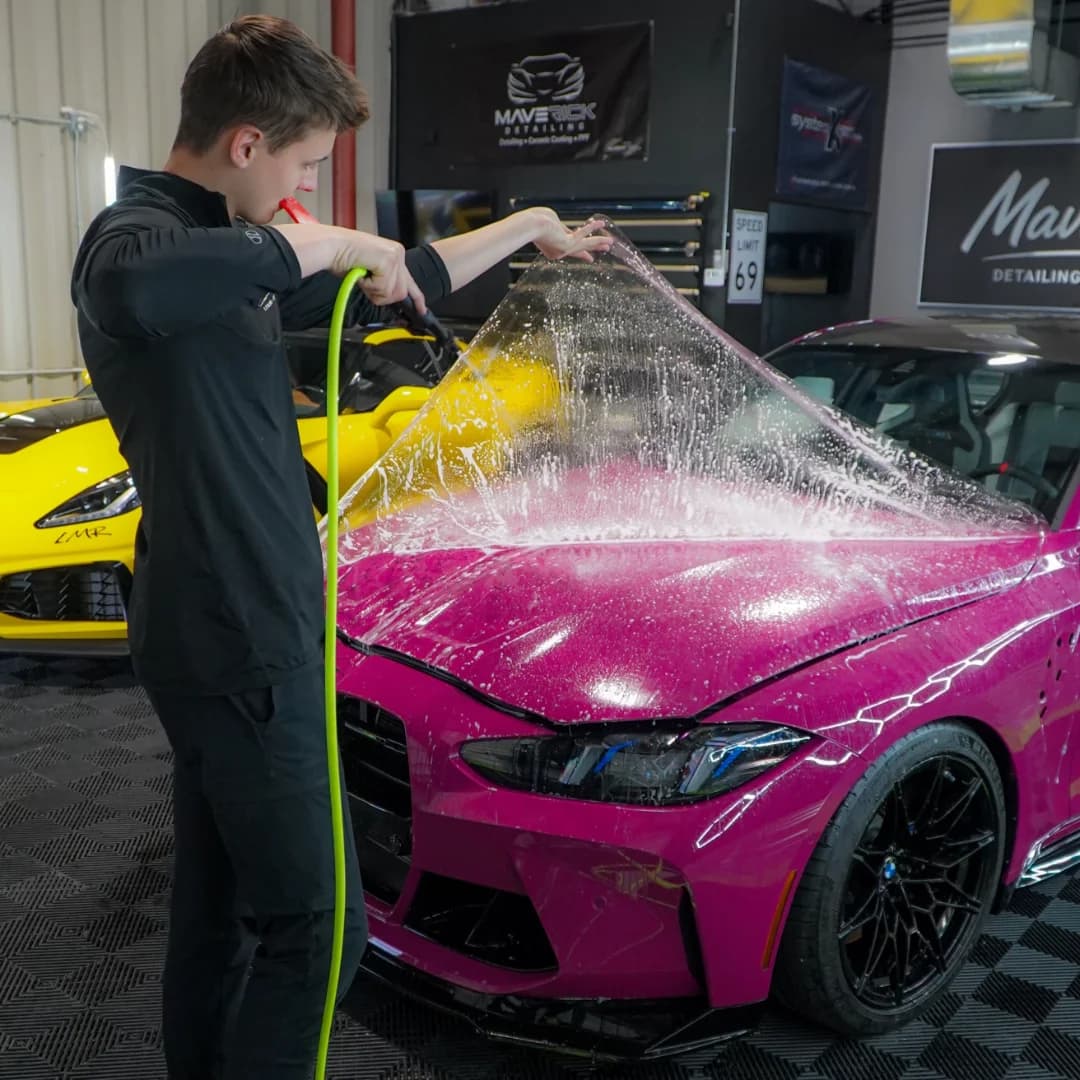
Paint Protection Film in Byron Center & West Michigan : Everything You Need to Know
If you’re considering Paint Protection Film (PPF) for your vehicle, understanding how it works and why it’s beneficial in West Michigan can help you make the right decision. In this guide, we’ll explain what PPF is, why it’s become one of the best ways to protect your investment, and why so many drivers in Byron Center, Ada, and the surrounding areas are choosing it for their vehicles.

Is Ceramic Coating Worth It in Michigan for Long Term Protection
A lot of people ask if ceramic coating is actually worth it, especially with Michigan weather. The short answer is yes, but only if it’s done right. Here’s what it really does and why it makes a difference.

How to Protect Your Car From Michigan Road Salt (What Actually Works)
If you live in Michigan, road salt is one of the biggest things destroying your vehicle. Most people rinse it off, but that’s not enough. Here’s what actually works to protect your paint and keep your car from getting beat up every winter.